
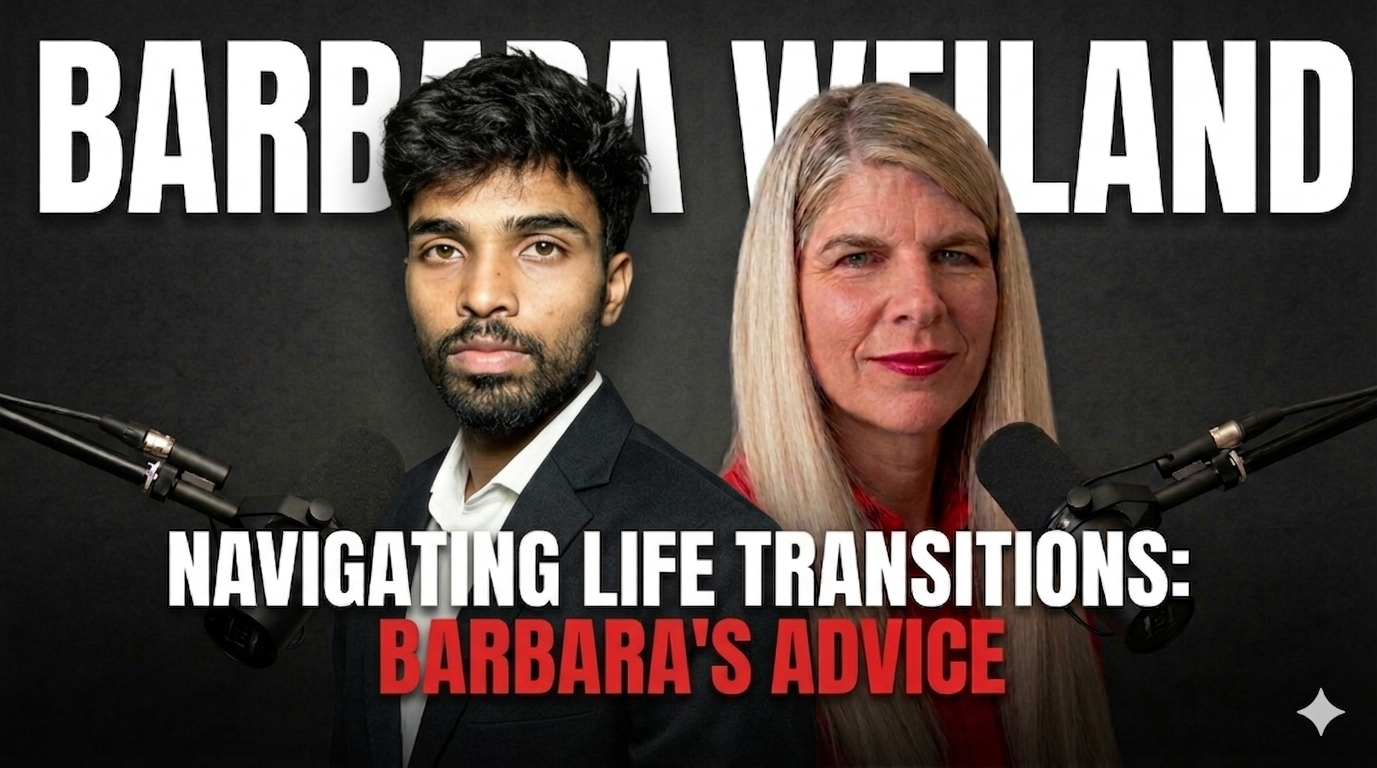
In today’s fast-paced world, leaders are often faced with significant personal transitions, such as divorce or career setbacks. These moments can be particularly challenging, yet they also present unique opportunities for growth and transformation. In this post, we’ll delve into insights shared by Barbara, an international leadership expert and executive coach, who has dedicated her career to helping leaders navigate these tumultuous times.
About Barbara
Barbara has a rich background in corporate leadership, having held roles in HR, auditing, and compliance in multinational companies. With a psychology background, she transitioned into executive coaching to make a more significant impact on personal development. Her extensive experience equips her with a profound understanding of the pressures faced by leaders and the importance of personal growth during challenging times.
Why Personal Transitions Matter for Leaders
Personal transitions, especially major life changes like separation or divorce, can profoundly affect high-performing leaders. Barbara emphasizes that regardless of their role, these experiences can lead to significant personal disruption. For senior leaders, the stakes are high; they often feel they cannot afford to be distracted by personal issues due to the responsibilities they hold for their teams and organizations.
The Impact of Separation on Leadership Performance
Understanding the Stakes: Barbara points out that leaders in high-pressure roles often fear that personal crises will impact their professional performance. This fear can lead to a reluctance to seek support, which can exacerbate the situation.
Navigating the Emotional Landscape: During separations, leaders may experience heightened stress and emotional turmoil. Barbara advocates for the importance of addressing these feelings and seeking support, whether through coaching or peer networks, to regain balance and clarity.
Strategies for Thriving Through Change
Barbara shares several strategies that leaders can employ to manage personal transitions more effectively:
Acknowledge the Transition: Recognizing that a significant life change is occurring is the first step. Ignoring the impact of these changes can lead to greater stress and performance issues.
Actionable Tip: Take time to reflect on how these changes affect your personal and professional life. Journaling can be a useful tool.
Seek Support: Leaders often hesitate to show vulnerability, but seeking support is crucial. Whether through coaching, mentorship, or peer support, having a network can provide the necessary guidance and emotional relief.
Common Mistake: Many leaders try to navigate these changes alone, thinking it’s a sign of weakness to ask for help.
Focus on Personal Development: Use this time to invest in personal growth. This could involve professional development courses, therapy, or self-help resources that can aid in navigating the transition.
Example: Barbara herself emphasizes her journey from corporate to coaching as a significant personal development step.
Key Takeaways from Barbara’s Insights
Flexibility is Key: The landscape of leadership is constantly changing. Leaders must adapt quickly to personal and professional challenges.
Empowering Others: True leadership involves empowering others to grow, especially during times of personal crisis. Leaders must model vulnerability and resilience for their teams.
The Importance of Time Management: In times of change, managing one’s time effectively can help leaders maintain focus and balance.
Conclusion
Navigating personal transitions is never easy, especially for leaders who bear significant responsibilities. However, as Barbara illustrates, these moments can lead to profound personal growth and development. By acknowledging the changes, seeking support, and focusing on personal development, leaders can emerge stronger and more effective in their roles.
For those in leadership positions facing personal challenges, remember that you don’t have to go through it alone. Seeking help and embracing change can lead to a more fulfilling and successful future.
Frequently Asked Questions
How can personal transitions affect leadership?
Personal transitions can create significant emotional and mental challenges that may impact a leader’s performance and decision-making abilities.
What support options are available for leaders during life changes?
Leaders can seek coaching, mentorship, or peer support to help navigate personal challenges and maintain professional performance.
Why is it important for leaders to acknowledge their personal struggles?
Acknowledging personal struggles can lead to better emotional management, improved decision-making, and a more authentic leadership style.