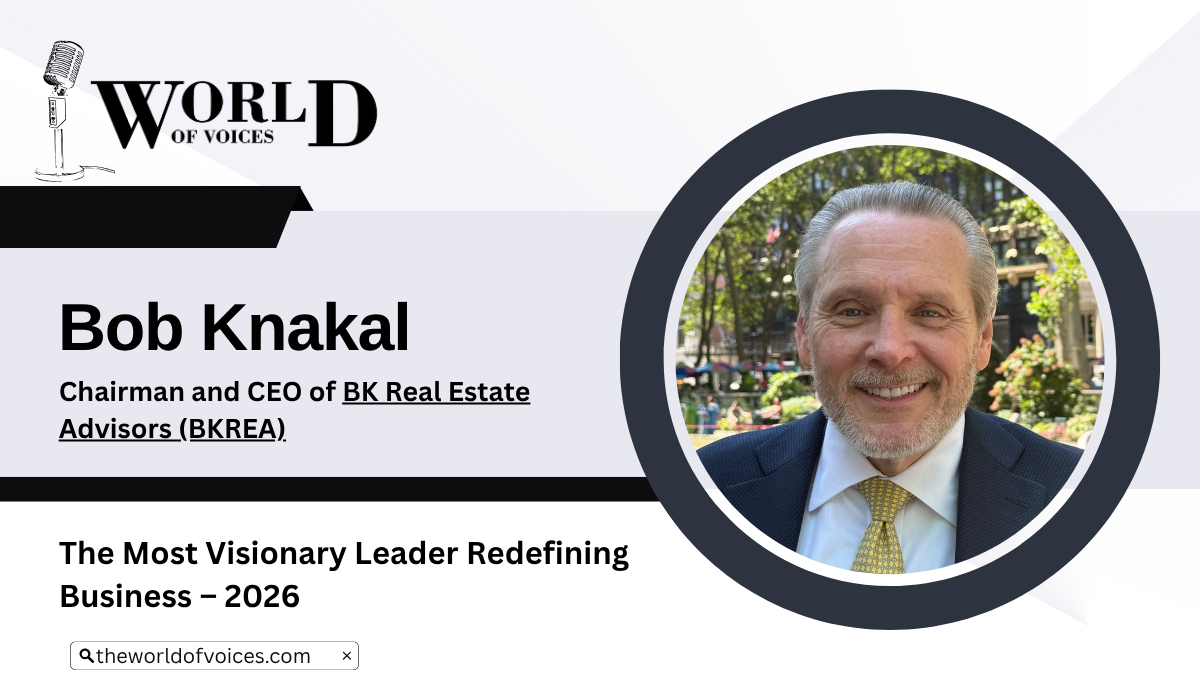

In today’s dynamic and competitive world, leadership is no longer just about authority or expertise—it’s about mindset. A leadership mindset defines how individuals think, respond, and act in the face of challenges, opportunities, and responsibilities. High-impact leaders distinguish themselves not just by what they do, but by how they think.
Developing a strong leadership mindset is essential for anyone looking to influence others, drive meaningful change, and achieve long-term success. This article explores what a leadership mindset is, why it matters, and how to cultivate the thinking patterns of a high-impact leader.
What Is a Leadership Mindset?
A leadership mindset is a set of beliefs, attitudes, and mental habits that shape how a leader approaches their role. It influences decision-making, problem-solving, communication, and the ability to inspire others.
Unlike technical skills, which can be learned through training, mindset is deeply rooted in perspective and self-awareness. It determines whether a leader reacts defensively or proactively, avoids challenges or embraces them, and focuses on limitations or possibilities.
Why Mindset Matters in Leadership
A leader’s mindset directly impacts team performance, organizational culture, and overall success. Leaders who think strategically and positively are better equipped to navigate uncertainty, motivate their teams, and create lasting value.
In contrast, a limiting mindset can hinder growth, reduce innovation, and create disengagement. Therefore, cultivating the right mindset is not optional—it is a critical component of effective leadership.
Core Traits of a High-Impact Leadership Mindset
1. Growth-Oriented Thinking
High-impact leaders believe in continuous improvement. They view challenges as opportunities to learn and develop rather than obstacles to avoid. This mindset encourages innovation and resilience.
2. Ownership and Accountability
Leaders with a strong mindset take responsibility for their actions and outcomes. They do not shift blame but instead focus on solutions and improvement.
3. Strategic Perspective
Thinking beyond immediate tasks is a hallmark of effective leadership. High-impact leaders consider long-term goals, anticipate future trends, and align their actions with broader objectives.
4. Resilience and Adaptability
Change and uncertainty are inevitable. Leaders must remain composed and flexible, adjusting their approach as needed while maintaining focus on their goals.
5. Empathy and Emotional Intelligence
Understanding and connecting with others is essential. Leaders who demonstrate empathy build trust, foster collaboration, and create a positive work environment.
6. Decisiveness
High-impact leaders make informed decisions with confidence. They gather relevant information, weigh options, and take action without unnecessary delay.
Shifting from a Fixed to a Growth Mindset
A fixed mindset assumes that abilities are static, while a growth mindset embraces development and learning. Transitioning to a growth mindset involves:
- Embracing challenges instead of avoiding them
- Learning from feedback and criticism
- Viewing failure as a stepping stone to success
- Celebrating effort and progress, not just results
This shift enables leaders to unlock their potential and inspire the same mindset in their teams.
Strategies to Develop a Leadership Mindset
1. Practice Self-Awareness
Understanding your strengths, weaknesses, and thought patterns is the foundation of mindset development. Regular reflection and feedback help identify areas for growth.
2. Set Clear Goals
High-impact leaders operate with clarity and purpose. Setting specific, measurable goals provides direction and motivation.
3. Cultivate Positive Thinking
Maintaining a positive outlook helps leaders stay motivated and resilient. This does not mean ignoring challenges but approaching them with confidence and optimism.
4. Seek Continuous Learning
Reading, training, and engaging with new ideas expand perspective and enhance decision-making capabilities.
5. Surround Yourself with Growth-Oriented People
The people you interact with influence your mindset. Engaging with ambitious and positive individuals fosters personal and professional growth.
6. Take Calculated Risks
Leadership involves stepping out of comfort zones. Taking risks, when informed and strategic, leads to innovation and progress.
Common Mindset Barriers
Even experienced leaders can face mental barriers that limit their effectiveness:
- Fear of Failure: Prevents taking necessary risks
- Perfectionism: Delays decision-making and progress
- Resistance to Change: Limits adaptability
- Self-Doubt: Undermines confidence and leadership presence
Recognizing and addressing these barriers is essential for growth.
The Role of Mindset in Team Leadership
A leader’s mindset sets the tone for the entire team. Positive, growth-oriented leaders create environments where innovation thrives, and individuals feel empowered.
By modeling the right behaviors—such as accountability, resilience, and openness—leaders influence their teams to adopt similar attitudes. This creates a culture of trust, collaboration, and high performance.
Leadership Mindset in the Modern World
Modern leadership requires navigating complexity, diversity, and rapid change. Leaders must think globally, act ethically, and embrace technology.
A strong leadership mindset enables individuals to lead remote teams, manage cross-cultural dynamics, and respond to evolving challenges. It also supports purpose-driven leadership, where impact and values are as important as results.
Conclusion
A leadership mindset is the foundation of high-impact leadership. It shapes how leaders think, act, and influence others. By cultivating growth-oriented thinking, embracing challenges, and continuously learning, individuals can develop the mindset needed to lead effectively.
In a world where change is constant, the ability to think like a high-impact leader is a powerful advantage. It not only drives personal success but also empowers teams and organizations to achieve their full potential.