
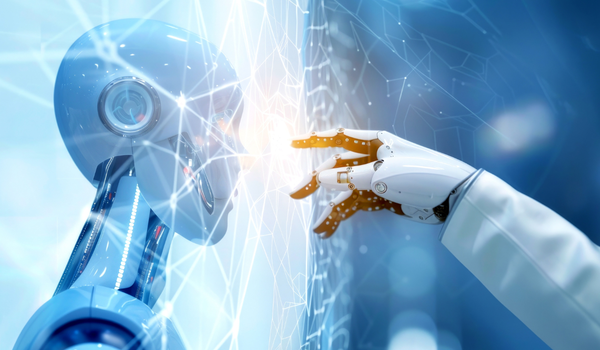
In the 21st century, innovation and technology have become the primary forces driving transformation across industries and societies. From artificial intelligence to digital platforms, technological advancements are reshaping how businesses operate, how people interact, and how economies grow.
Organizations that embrace innovation and leverage technology effectively are not only gaining competitive advantages but also contributing to broader societal progress. This article explores the impact of innovation and technology on business and society, key trends, and strategies for staying ahead in a rapidly evolving world.
The Intersection of Innovation and Technology
Innovation and technology are deeply interconnected. While innovation refers to new ideas and approaches, technology provides the tools and infrastructure to implement those ideas at scale.
Together, they enable businesses to:
- Create new products and services
- Improve operational efficiency
- Enhance customer experiences
- Expand into global markets
This synergy is transforming traditional business models and creating entirely new industries.
How Technology Is Transforming Business
Digital Transformation
Digital transformation involves integrating digital technologies into all aspects of a business. This includes cloud computing, data analytics, and automation.
Businesses that undergo digital transformation become more agile, efficient, and customer-focused.
Automation and Efficiency
Automation reduces manual work, minimizes errors, and increases productivity. From manufacturing to customer service, automation is streamlining operations.
Data-Driven Decision Making
Big data and analytics allow organizations to make informed decisions. Insights derived from data help identify trends, optimize processes, and improve performance.
Global Connectivity
Technology has made it easier for businesses to operate globally. Digital platforms enable companies to reach customers worldwide and collaborate across borders.
Emerging Technologies Shaping the Future
Artificial Intelligence (AI)
AI is revolutionizing industries by enabling machines to learn, analyze, and make decisions. It is used in areas such as healthcare, finance, and customer service.
Internet of Things (IoT)
IoT connects devices and systems, allowing them to communicate and share data. This enhances efficiency and enables real-time monitoring.
Blockchain
Blockchain technology provides secure and transparent transactions. It is transforming industries such as finance, supply chain, and healthcare.
Cloud Computing
Cloud platforms offer scalable and flexible infrastructure, enabling businesses to innovate without heavy upfront investment.
The Impact on Society
Economic Growth
Innovation and technology drive economic development by creating new industries, jobs, and opportunities.
Improved Quality of Life
Technological advancements have improved healthcare, education, and communication, enhancing overall quality of life.
Increased Accessibility
Digital tools have made information and services more accessible to people around the world.
Social Challenges
While technology brings benefits, it also raises challenges such as data privacy, cybersecurity, and job displacement.
The Role of Businesses in Driving Innovation
Businesses play a critical role in advancing innovation and technology. They invest in research and development, create new solutions, and bring innovations to market.
Building an Innovation Culture
Organizations must foster a culture that encourages creativity, experimentation, and continuous learning.
Investing in Technology
Allocating resources to technology ensures that businesses remain competitive and relevant.
Collaborating with Ecosystems
Partnerships with startups, universities, and research institutions enhance innovation capabilities.
Challenges in Adopting Technology
High Costs
Implementing new technologies can require significant investment.
Skill Gaps
Employees may lack the skills needed to work with advanced technologies.
Resistance to Change
Organizational inertia can slow down adoption.
Security Risks
Increased reliance on technology raises concerns about data breaches and cyber threats.
Strategies for Leveraging Innovation and Technology
Align Technology with Business Goals
Ensure that technological investments support strategic objectives.
Focus on Customer Needs
Use technology to enhance customer experience and deliver value.
Upskill the Workforce
Invest in training and development to build digital capabilities.
Adopt Agile Practices
Agility allows businesses to adapt quickly to technological changes.
Prioritize Security
Implement robust cybersecurity measures to protect data and systems.
The Future of Innovation and Technology
The pace of technological change will continue to accelerate. Businesses and societies must be prepared to adapt to new developments.
Key trends include:
- Increased use of AI and automation
- Growth of remote and digital work environments
- Greater focus on sustainability and green technology
- Expansion of digital ecosystems
Organizations that embrace these trends will be better positioned to thrive in the future.
Conclusion
Innovation and technology are transforming business and society in profound ways. They create opportunities for growth, improve efficiency, and enhance quality of life.
However, they also require careful management to address challenges and risks. By adopting a strategic approach, investing in people and technology, and fostering a culture of innovation, businesses can harness the full potential of these powerful forces.
In a world defined by change, the ability to innovate and leverage technology is not just an advantage—it is essential for shaping a successful and sustainable future.