Introduction
Communication has always been the cornerstone of human progress. From ancient storytelling around fires to newspapers, radio, and television, each medium has redefined how we connect and share ideas. In the digital era, one medium is rising faster than ever: podcasts.
Once considered a niche format, podcasts have become a mainstream channel of communication. With their ability to combine storytelling, accessibility, and authenticity, they are not just shaping conversations but also reshaping the future of communication itself.
The Rise of Podcasts
Podcasts have seen exponential growth over the past decade. According to industry reports, there are over 3 million podcasts available globally, covering topics from business and technology to lifestyle, health, and personal growth.
Why this explosive growth?
- Accessibility: Anyone with a smartphone can listen anytime, anywhere.
- Diversity of Content: There’s a podcast for every interest and niche.
- Authenticity: Listeners prefer raw, real conversations over polished media scripts.
Podcasts are no longer just entertainment—they are becoming an essential part of modern communication.
How Podcasts Are Changing Communication
1. Humanizing Conversations
Unlike traditional media, podcasts provide unfiltered, long-form discussions. They allow leaders, creators, and experts to share their journeys authentically. This raw communication builds trust and relatability, which audiences crave in a digital age often saturated with curated content.
2. Global Accessibility
Podcasts remove geographical barriers. A listener in India can instantly hear a Silicon Valley founder’s story, while an entrepreneur in Africa can access leadership advice from global CEOs. This democratization of information is shaping a truly borderless communication ecosystem.
3. Interactive Storytelling
Audio is immersive—it triggers imagination in a way that written content often cannot. Story-driven podcasts engage listeners deeply, making communication more memorable and impactful.
4. Empowering Diverse Voices
Podcasts give platforms to voices often underrepresented in mainstream media. Entrepreneurs, educators, women leaders, and grassroots change-makers now have global audiences. This inclusivity is broadening perspectives in communication like never before.
5. Shaping Business Communication
From corporate storytelling to branded podcasts, businesses are using the medium to build deeper connections with customers and employees. Instead of one-way advertising, podcasts create two-way relationships by fostering loyalty and trust.
The Future of Podcasts in Communication
1. Integration with AI and Voice Assistants
With smart speakers and AI assistants on the rise, podcasts are becoming even more accessible. Voice search will soon make discovering and personalizing podcasts effortless.
2. Podcasts as Educational Tools
Universities, schools, and online platforms are adopting podcasts for micro-learning. This trend will redefine how people consume knowledge.
3. Corporate Leadership Communication
More CEOs and executives are starting their own podcasts to share leadership philosophies directly with employees and stakeholders. This trend will shape transparent and authentic corporate cultures.
4. Hybrid Media Models
Future podcasts won’t just be audio. Video podcasts, interactive Q&A, and live sessions are already merging formats, creating multi-dimensional communication channels.
Why Podcasts Resonate with Modern Audiences
- On-Demand Flexibility – Listen while commuting, exercising, or relaxing.
- Authenticity – Long-form discussions feel real compared to social media snippets.
- Community Building – Niche podcasts create global communities of like-minded listeners.
- Cost-Effective Creation – Anyone can start a podcast, making communication decentralized.
Case Studies: Podcasts Redefining Communication
- How I Built This with Guy Raz – Entrepreneurs worldwide share candid stories, turning business lessons into relatable human experiences.
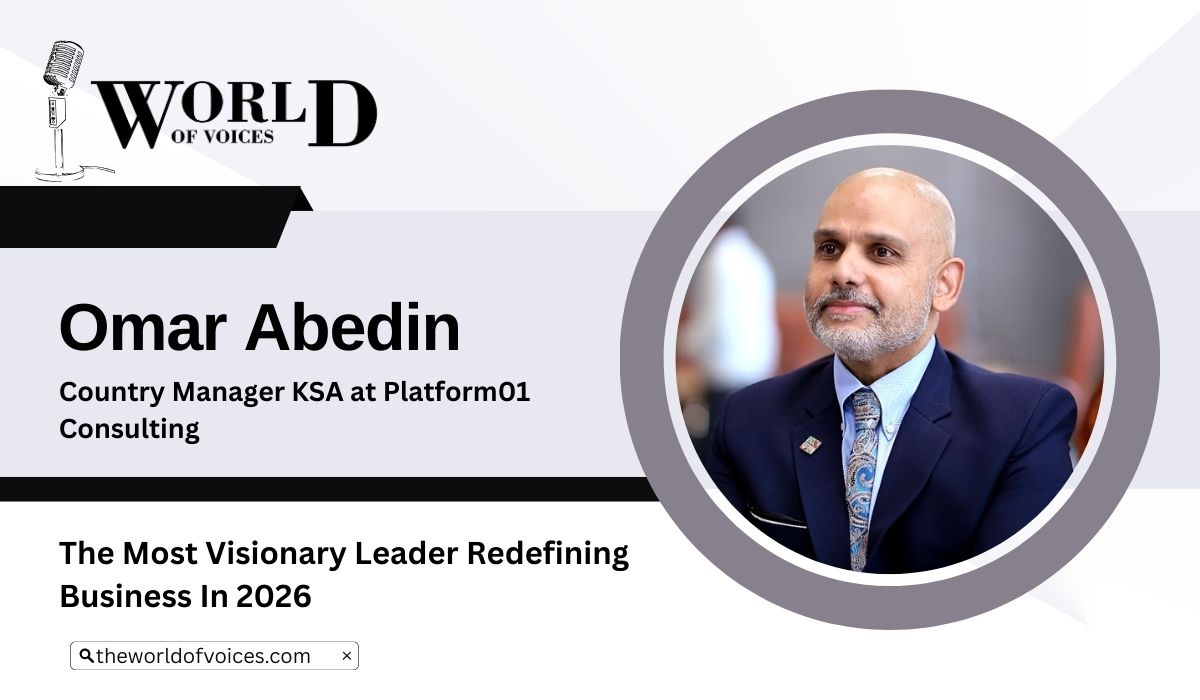
- World of Voices Podcast – A business magazine-style podcast featuring global leaders, blending professional insights with personal journeys.
- The Daily (New York Times) – News delivered in a conversational tone, reshaping how people consume journalism.
Each of these shows demonstrates how podcasts can transform industries—business, education, and media—through engaging communication.
Conclusion
Podcasts are no longer just an alternative media format—they are reshaping the way humans communicate. With their authenticity, inclusivity, and accessibility, they represent the future of storytelling, business dialogue, education, and community-building.
As technology evolves, podcasts will only become more integrated into our daily lives, bridging gaps across borders, industries, and cultures.
For businesses, leaders, and professionals, embracing podcasts is no longer optional—it is the future of effective communication.