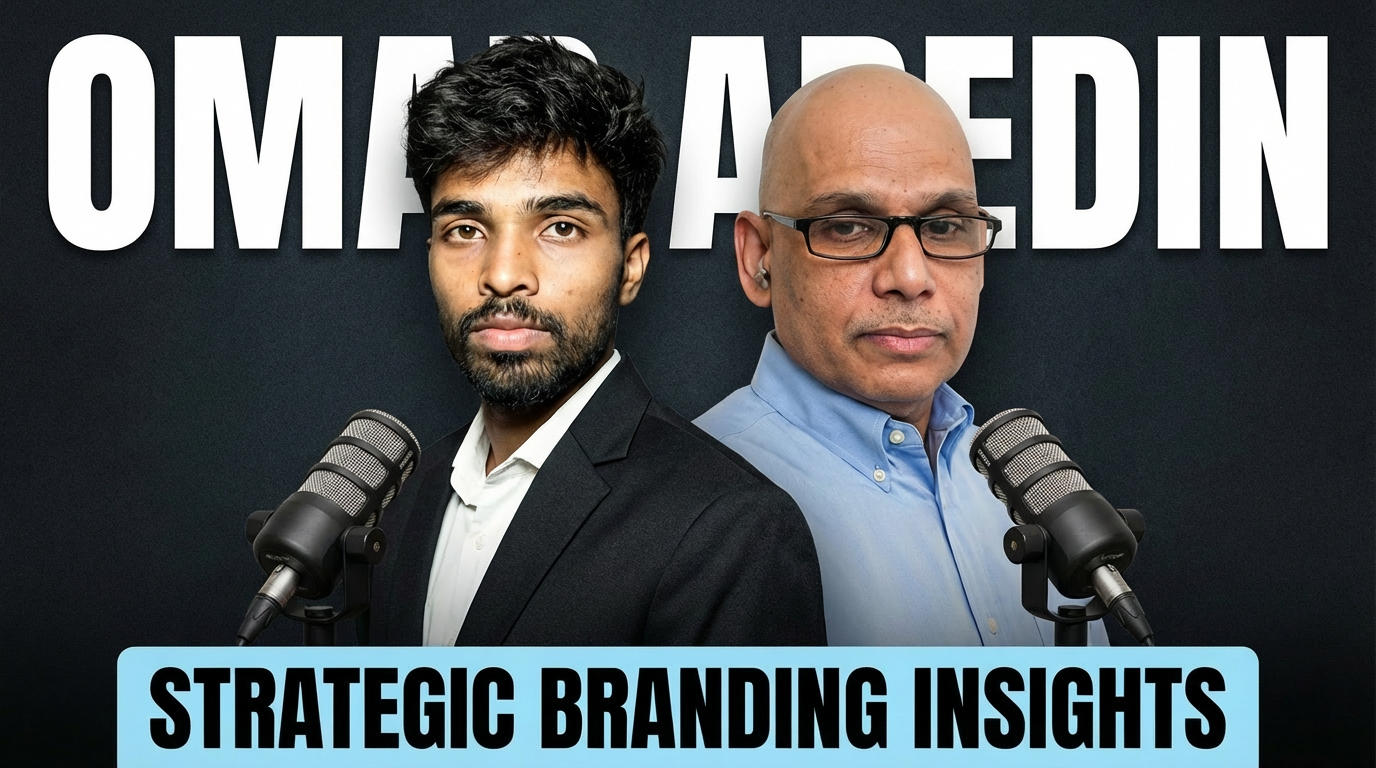
In today’s fast-paced business environment, understanding branding is more critical than ever. As consumers become more discerning and the digital landscape evolves, brands must adapt to survive. In this blog post, we’ll explore valuable insights from Omar Abedin, Country Manager at Platform Zero One Consulting, who shares his journey and key branding strategies that can help organizations thrive.
About Omar Abedin
Omar Abedin brings a wealth of experience in brand strategy and marketing, having worked with renowned multinational companies like Phillips, Johnson & Johnson, and Novartis. His journey has taken him across various countries, including Pakistan, UAE, Saudi Arabia, and Canada, allowing him to witness firsthand the strategic decision-making challenges organizations face. Today, as the head of Platform Zero One Consulting in Saudi Arabia, Omar focuses on guiding CEOs and boards on strategic growth and brand positioning.
The Difference Between Brand and Marketing
One of the first lessons Omar emphasizes is the distinction between brand and marketing. Many people confuse the two, but they are fundamentally different.
What You Need to Know:
Brand as Strategy: Brand is the visible expression of strategy. It’s not just about how you communicate your product to consumers; it’s about aligning your brand with your overall business strategy.
Execution Matters: Successful branding goes beyond advertising. It stems from a deep understanding of your brand architecture, value proposition, and product positioning.
Omar explains, “Brand thinking has to exist in the boardroom, not just in the marketing department.” This strategic approach is vital for long-term success.
Common Mistakes in Brand Building
Building a strong brand in today’s sustainable world comes with its challenges. Omar identifies the most significant mistake organizations make: treating brand building as merely a communication or advertising exercise.
Key Insights:
Strategic Decision-Making: Brands must define their core value proposition before launching any marketing efforts. Without a solid foundation, advertising can lead to confusion rather than connection.
Alignment is Crucial: The strongest brands emerge when business strategy and brand identity align seamlessly. Focusing on what you want consumers to believe about your brand is essential for building loyalty.
The Impact of Strategic Branding
Omar recounts a defining moment in his career at Novartis, where he faced a major regulatory change that could have severely impacted a successful product. Rather than resisting the change, the team chose to reformulate the product and adjust its brand positioning. This strategic pivot allowed them to not only retain but grow their market share in a declining category.
Takeaway:
Leadership often involves making tough strategic choices that others might shy away from. The ability to adapt and innovate is crucial for brand success in the modern marketplace.
Balancing Data and Creativity
In an era where data-driven marketing is on the rise, Omar discusses the importance of balancing analytics with creativity and human insight.
Essential Points:
Data Tells, Creativity Explains: While data provides insights into market trends and customer behavior, creativity helps convey the emotional significance behind those trends.
Building Beautiful Brands: The best marketing strategies combine rigorous analytics with creative storytelling, resulting in brands that resonate deeply with consumers.
Effective Branding in the Digital Age
The digital landscape has dramatically changed how brands communicate with their audiences. Omar highlights the importance of transparency and authenticity in fostering brand trust.
Key Considerations:
Direct Communication: Brands now engage directly with consumers, making it essential to communicate with honesty and integrity.
Consumer-Centric Approach: Every interaction a consumer has with your brand—be it through product experience or content—can either enhance or harm their trust in your brand.
The Future of Brand Marketing
As we look toward the future, Omar identifies personalization as a key trend that will define the next generation of brand marketing.
What to Focus On:
Embrace Technology: Brands must incorporate technology into their infrastructure to meet rising consumer expectations.
Build Communities: Engaging with consumers through communities and ecosystems will become increasingly vital as consumers seek brand authenticity.
Conclusion
Omar Abedin’s insights highlight the evolving nature of branding and the strategic decisions that shape successful brands. In an age where trust and authenticity are paramount, understanding the nuances of brand strategy can set companies apart in a competitive marketplace. As you consider your brand’s future, remember the vital role that strategic decision-making plays in shaping your brand identity and consumer relationships
Cover Story: Clarity Beats Certainty: Omar Abedin on Strategy, Leadership, and Building Businesses That Last
Frequently Asked Questions
What is the difference between branding and marketing?
Branding is the visible expression of a company’s strategy, while marketing focuses on communicating that brand to consumers.
Why is brand alignment crucial?
Alignment between business strategy and brand identity ensures long-term success and consumer loyalty.
How can brands build trust in the digital age?
Brands can build trust through transparency, authenticity, and direct communication with consumers.